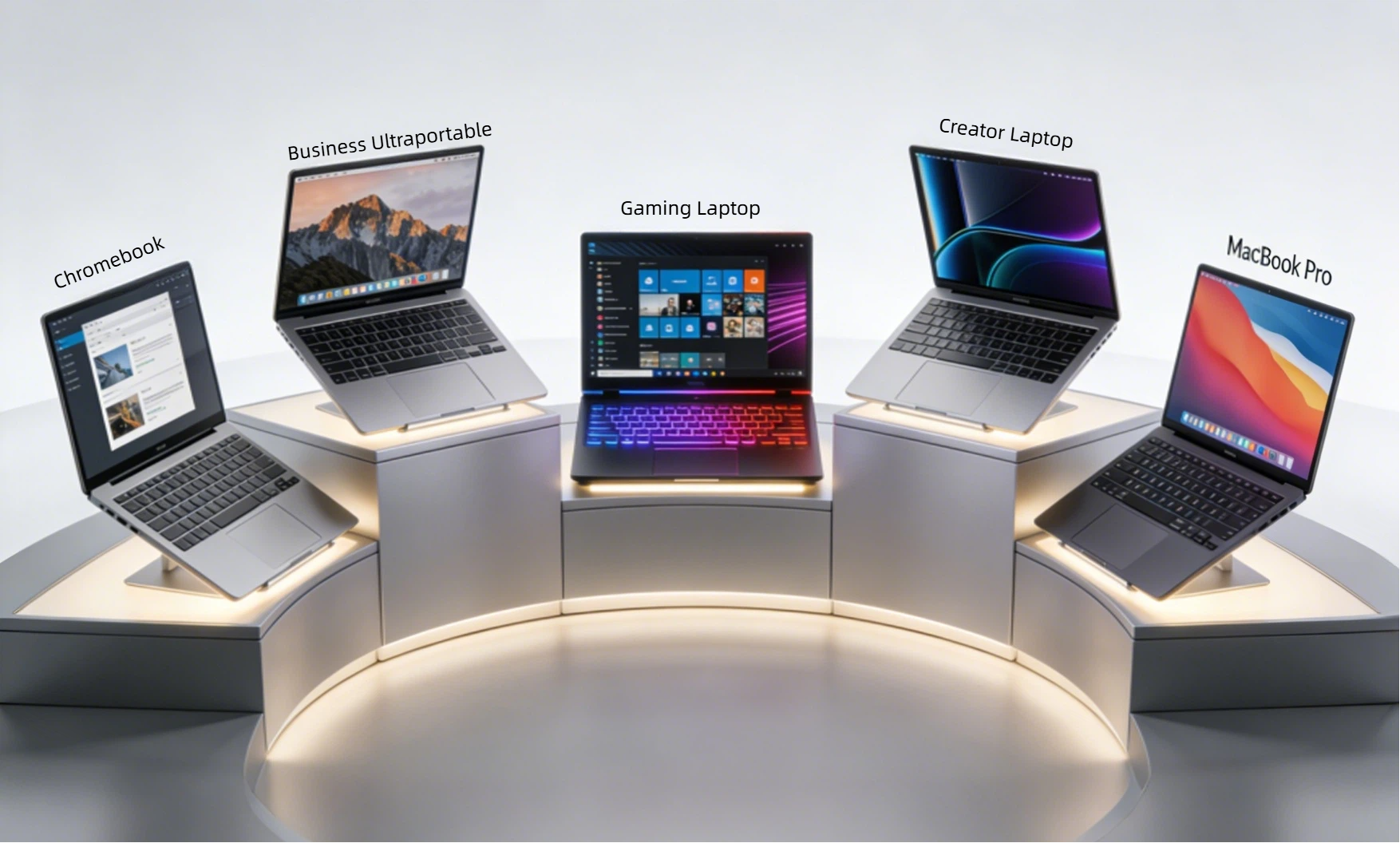
Choosing the right laptop has become more important than ever in today’s digital world. Whether you are a student attending online classes, a professional working remotely, a gamer looking for high performance, or a creative designer editing videos and graphics, selecting the ideal device can significantly improve your productivity and overall experience. With countless brands, specifications, and price ranges available in the market, making the right decision may seem overwhelming. Understanding the essential features and comparing available options helps buyers invest wisely instead of simply choosing the most expensive model. A well-balanced computer offers excellent performance, long battery life, reliable durability, and modern connectivity. This guide explains everything you should know before making your purchase, including important specifications, different types, maintenance tips, and common mistakes to avoid. By the end of this article, you’ll be well-equipped to choose a laptop that perfectly matches your needs and budget.
Why Choosing the Right Laptop Matters
Buying a computer is an investment that often lasts several years, making careful planning essential. Every user has different requirements, and selecting a device without understanding those needs can lead to disappointment. Students generally need portability and long battery life, while office workers prioritize multitasking capabilities and dependable performance. Creative professionals require powerful processors, dedicated graphics cards, and color-accurate displays. Gamers demand fast refresh rates and advanced cooling systems to handle intensive workloads. Instead of focusing solely on appearance or brand reputation, buyers should evaluate technical specifications and real-world usability. A thoughtfully selected laptop delivers smoother performance, greater efficiency, and fewer upgrade concerns over time. It also improves productivity by reducing delays caused by slow hardware and outdated technology. Understanding your priorities before shopping ensures you receive the best value for your money and avoid unnecessary expenses.
Key Features to Consider Before Buying
Several important specifications determine the overall performance and user experience of a computer. Understanding these components helps buyers compare models effectively.
Processor Performance
The processor acts as the brain of the system. Faster processors provide smoother multitasking, quicker application launches, and better overall responsiveness. Modern processors with multiple cores are ideal for productivity, gaming, and creative work.
Memory (RAM)
RAM determines how efficiently the computer handles multiple applications simultaneously. Most users benefit from at least 8GB of memory, while professionals working with demanding software should consider 16GB or more.
Storage Options
Solid State Drives (SSD) offer significantly faster performance than traditional hard drives. Applications open quicker, operating systems boot faster, and file transfers become much smoother with SSD storage.
Display Quality
Display resolution, brightness, and color accuracy greatly influence everyday usability. Full HD screens provide sharp visuals suitable for work, entertainment, and content creation.
Battery Life
Long battery life is especially valuable for students and professionals who frequently travel or work away from power outlets.
Different Types of Laptop Users
Every buyer has unique computing requirements, making it essential to understand which category best describes your usage.
- Students need lightweight devices with dependable battery life.
- Business professionals require reliable performance and strong security features.
- Gamers benefit from dedicated graphics cards and advanced cooling.
- Graphic designers prioritize color accuracy and powerful processors.
- Casual users mainly focus on web browsing, streaming, and office applications.
- Programmers often require comfortable keyboards and efficient multitasking performance.
Choosing hardware according to your actual workload helps maximize performance while avoiding unnecessary costs.
Laptop Comparison Table
| User Type | Recommended Processor | RAM | Storage | Best Display |
|---|---|---|---|---|
| Student | Mid-range | 8GB | 512GB SSD | Full HD |
| Office Professional | Mid to High-end | 16GB | 512GB SSD | Full HD IPS |
| Gamer | High-end | 16GB–32GB | 1TB SSD | 144Hz Display |
| Content Creator | Premium | 16GB–32GB | 1TB SSD | High Color Accuracy |
| Casual User | Entry Level | 8GB | 256GB SSD | Full HD |
Operating System Choices
The operating system determines how users interact with their computers. Some systems offer extensive software compatibility and gaming support, while others focus on creative workflows or simplicity. Choosing the right operating system depends on personal preferences, required applications, and overall workflow. Business users often prioritize security and productivity features, while students typically seek ease of use and compatibility with educational software. Creative professionals may require applications optimized for specific platforms. Before purchasing, verify that your preferred software runs efficiently on your selected operating system. Taking time to compare software ecosystems ensures better long-term satisfaction. Regardless of the platform, regular updates help improve security, performance, and compatibility with new applications, allowing your computer to remain useful for years.
Portability and Build Quality
Many buyers overlook portability until they begin carrying their computer daily. Weight, thickness, and durability significantly affect user comfort. Travelers, students, and professionals who commute regularly benefit from lightweight models that easily fit inside backpacks. Build quality also determines long-term reliability. Devices made from aluminum or premium materials generally withstand everyday wear better than plastic alternatives. Comfortable keyboards, responsive touchpads, sturdy hinges, and high-quality displays contribute to an enjoyable user experience. Buyers should also check the available ports to ensure compatibility with external monitors, storage devices, and accessories. Investing in a durable laptop reduces maintenance costs while providing dependable performance throughout its lifespan. Selecting a balance between portability and power ensures the device remains practical for both travel and demanding workloads.
Maintenance Tips for Long-Term Performance
Proper maintenance extends the lifespan of your computer while preserving consistent performance.
- Keep the operating system updated.
- Install reliable antivirus software.
- Avoid blocking ventilation during heavy workloads.
- Clean the keyboard and screen regularly.
- Back up important files frequently.
- Remove unnecessary applications.
- Keep storage space available for optimal performance.
- Protect the device using a quality carrying case.
Following these simple habits helps maintain smooth operation and minimizes unexpected hardware issues over time.
Common Mistakes Buyers Should Avoid
Many consumers purchase computers based solely on discounts or attractive designs without evaluating technical specifications. Others underestimate future storage needs or buy insufficient memory, leading to reduced performance within a short period. Ignoring battery life, display quality, and keyboard comfort can also affect everyday usability. Some buyers overspend on premium hardware despite using only basic applications, while others choose inexpensive devices incapable of handling future workloads. Reading product specifications carefully and identifying primary usage scenarios prevents these common mistakes. Buyers should compare processor generations, storage technology, display quality, and upgrade possibilities before making a final decision. Careful research ultimately results in a laptop that delivers reliable performance, better value, and greater satisfaction throughout its usable life.
Future Trends in Laptop Technology
Technology continues evolving rapidly, introducing smarter, faster, and more efficient computers every year. Artificial intelligence is becoming increasingly integrated into everyday computing, helping improve productivity, battery optimization, and user experiences. Manufacturers continue developing lighter materials, brighter displays, faster storage solutions, and longer-lasting batteries. Enhanced security features, improved webcams, and advanced wireless connectivity are becoming standard across many models. Environmental sustainability is also influencing manufacturing practices, with companies incorporating recycled materials and energy-efficient components. Buyers planning long-term investments should consider devices supporting future software updates and modern connectivity standards. Choosing hardware with current-generation technology helps ensure your computer remains capable for several years without feeling outdated.
Conclusion
Selecting the ideal laptop requires balancing performance, portability, budget, and long-term reliability. Understanding your personal needs is the first step toward making a smart purchasing decision. Instead of focusing only on brand names or attractive pricing, evaluate processors, memory, storage, display quality, battery life, and overall build quality. A carefully researched purchase delivers better performance, improved productivity, and greater satisfaction throughout its lifespan. Whether you need a device for education, business, gaming, or creative work, choosing wisely ensures your investment remains valuable for years to come. By following the guidance provided in this article, you can confidently purchase a laptop that matches your lifestyle, supports your daily activities, and offers dependable performance well into the future.
Read more: Stock Android Phones: The Complete Guide for a Pure Android Experience
Leave a Reply