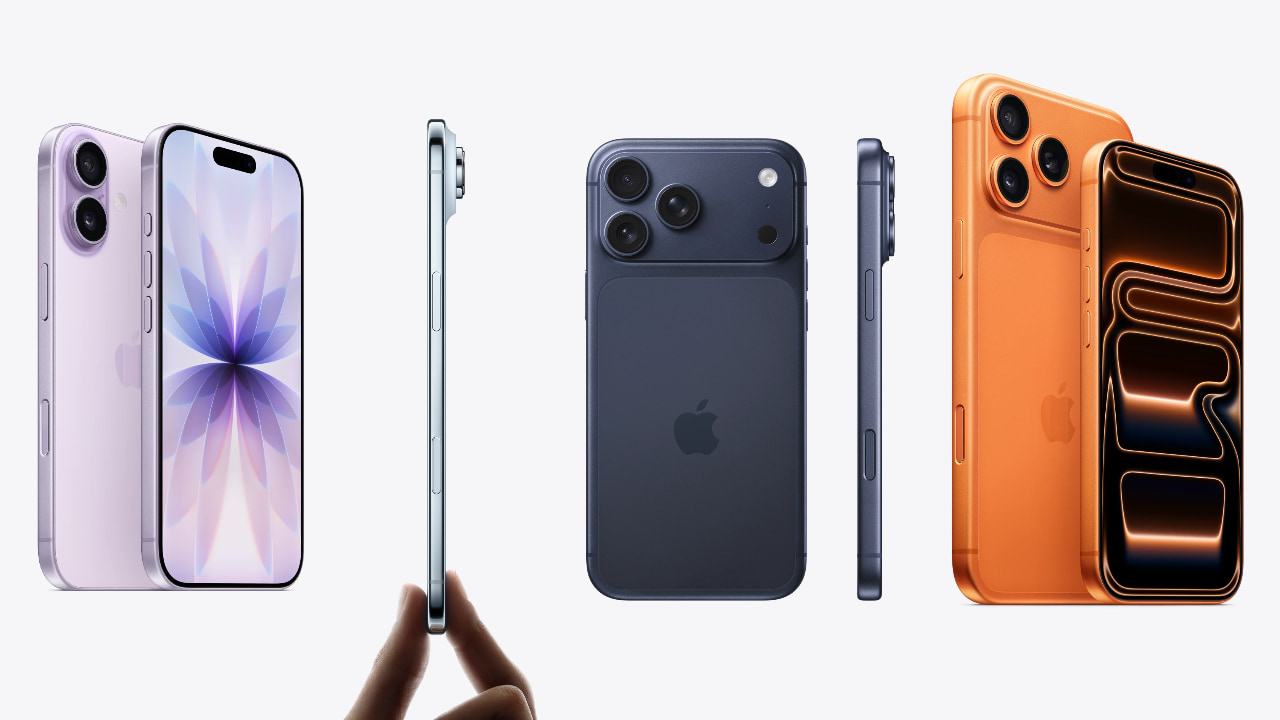
Choosing a new smartphone can be challenging, especially when Apple offers several models with different features, prices, and performance levels. Whether you are upgrading from an older device or purchasing your first Apple smartphone, it is important to compare iPhones carefully before making a decision. Every iPhone is designed for a different type of user, from budget-conscious buyers to photography enthusiasts and power users. Understanding the differences between display quality, camera systems, processors, battery life, and software support helps you make a smart investment. This comprehensive guide explains everything you need to know when you compare Apple smartphones. By looking at each important feature individually, you can determine which model best suits your lifestyle, work requirements, entertainment preferences, and budget while ensuring long-term value.
Why You Should Compare iPhones Before Buying
Apple releases multiple iPhone models that appear similar at first glance, but each offers unique advantages. Taking the time to compare iphones helps buyers avoid overspending on features they may never use or choosing a device that does not meet their expectations. Some users prioritize camera quality, while others focus on battery life, gaming performance, or affordability.
Comparing different models also helps you understand which device offers the best value over time. Since Apple provides software updates for many years, choosing the right model can keep your phone relevant for a longer period. Instead of selecting the newest model automatically, evaluating specifications and real-world performance ensures your purchase aligns with your actual needs. A thoughtful comparison can save money while delivering a better user experience.
Design and Build Quality
Apple is known for premium craftsmanship across its smartphone lineup. Most modern iPhones feature aluminum or titanium frames, durable glass construction, and excellent resistance to water and dust. However, there are notable differences between standard and Pro models.
Standard models are lightweight and comfortable for everyday use, making them ideal for casual users. Premium models typically include stronger materials, slimmer bezels, and enhanced durability. Display sizes also vary, allowing buyers to choose between compact devices and larger screens suitable for productivity or entertainment.
When you compare iphones, consider factors such as:
- Overall weight and comfort
- Display size
- Build materials
- Color options
- Water resistance
- Durability
Choosing the right design ensures your phone feels comfortable during daily use while matching your personal style.
Display Technology Comparison
One of the biggest differences between iPhone models is display technology. Apple offers bright, color-accurate displays with excellent viewing angles, but premium models include additional features that enhance the viewing experience.
High-end iPhones feature higher refresh rates, resulting in smoother scrolling, gaming, and animations. Brightness levels also improve outdoor visibility, making the display easier to read under direct sunlight.
OLED displays provide:
- Deep black levels
- Excellent contrast
- Rich colors
- Better energy efficiency
- Enhanced HDR viewing
Larger displays are ideal for watching videos, editing photos, reading documents, and multitasking. Smaller displays remain easier to handle with one hand and fit comfortably into pockets.
Performance and Processing Power
Apple designs its own processors, consistently delivering industry-leading performance. Every new chip generation improves speed, graphics capabilities, power efficiency, and artificial intelligence features.
Users interested in gaming, video editing, professional photography, or multitasking should pay close attention when they compare iphones because processor differences become more noticeable during demanding tasks.
Everyday users benefit from:
- Faster app launches
- Smooth multitasking
- Efficient battery management
- Better gaming performance
- Improved machine learning
- Long-term software compatibility
Even older iPhones continue performing well thanks to Apple’s optimization, but newer processors provide greater longevity and future-proofing.
Camera Features Across Different Models
The camera system is often the deciding factor for many smartphone buyers. Apple offers multiple camera configurations depending on the model. Entry-level devices provide excellent everyday photography, while premium models include advanced zoom capabilities, professional video recording, and improved low-light performance.
Features commonly found in newer iPhones include Night Mode, Portrait Mode, cinematic video recording, optical image stabilization, and computational photography.
Camera Comparison Table
| Feature | Standard iPhone | Plus Model | Pro Model | Pro Max Model |
|---|---|---|---|---|
| Main Camera | Excellent | Excellent | Professional | Professional |
| Ultra-Wide Lens | Yes | Yes | Yes | Yes |
| Telephoto Lens | No | No | Yes | Yes |
| Optical Zoom | Basic | Basic | Advanced | Advanced |
| Low-Light Photography | Very Good | Very Good | Excellent | Excellent |
| Professional Video | Good | Good | Outstanding | Outstanding |
Photography enthusiasts should evaluate camera hardware carefully before making a purchase, especially if mobile photography is a priority.
Battery Life and Charging Performance
Battery life varies depending on screen size, processor efficiency, and software optimization. Larger iPhones generally provide longer battery life because they contain larger batteries. However, processor improvements have significantly increased efficiency across all models.
When buyers compare iphones, battery performance should be considered alongside charging speed rather than independently. Fast charging allows users to regain several hours of usage within a short charging session.
Factors affecting battery life include:
- Screen brightness
- Gaming
- Video streaming
- Camera usage
- Background applications
- Network connectivity
Apple’s software optimization ensures even compact models deliver reliable all-day battery life for most users.
Software Experience and Long-Term Updates
One of Apple’s strongest advantages is long-term software support. Most iPhones receive updates for several years, providing new features, performance improvements, and security enhancements.
Regular software updates improve:
- Privacy
- Security
- Performance
- Camera processing
- Battery optimization
- App compatibility
Users who keep their smartphones for many years should prioritize software longevity when choosing between different models. Newer devices naturally receive updates for a longer period, making them better long-term investments.
Storage Options and Which One to Choose
Storage capacity is another important consideration. Choosing too little storage may result in limited space for photos, videos, and applications, while selecting excessive storage may unnecessarily increase the purchase price.
General recommendations include:
- 128GB: Suitable for everyday users.
- 256GB: Ideal for frequent photographers and gamers.
- 512GB: Great for professionals.
- 1TB: Best for advanced content creators and filmmakers.
Since iPhones do not support expandable storage, selecting the right capacity from the beginning is essential.
Price Versus Value
Price differences between iPhone models can be significant. The most expensive option is not always the best choice for every buyer. Instead, focus on the features that matter most to your daily activities.
Budget-conscious buyers should prioritize:
- Reliable performance
- Good battery life
- Strong camera quality
- Long software support
Professional users may justify spending more for:
- Advanced cameras
- Better displays
- Faster processors
- Premium materials
- Extra storage options
Evaluating value rather than price alone helps ensure greater satisfaction over the life of the device.
Who Should Buy Which iPhone?
Different users have different requirements, making it important to identify your priorities before purchasing.
Standard iPhone
- Perfect for students.
- Excellent everyday performance.
- Affordable pricing.
- Reliable cameras.
Plus Models
- Larger display.
- Better battery life.
- Great for media consumption.
Pro Models
- Professional photography.
- Superior display technology.
- Powerful performance.
- Premium build quality.
Pro Max Models
- Largest display.
- Best battery life.
- Advanced camera system.
- Ideal for creators and professionals.
Understanding your personal needs makes it much easier to compare iphones effectively and avoid paying for unnecessary features.
Tips for Making the Right Purchase
Before buying an iPhone, compare specifications alongside your intended usage. Consider whether you primarily browse the web, watch videos, capture photos, play games, or perform professional tasks.
Keep these tips in mind:
- Set a realistic budget.
- Choose sufficient storage.
- Consider long-term software support.
- Evaluate battery performance.
- Compare camera capabilities.
- Think about display size.
- Buy according to your lifestyle rather than trends.
Following these recommendations helps maximize both value and satisfaction.
Conclusion
Taking the time to compare iphones is one of the smartest steps before purchasing a new Apple smartphone. While every iPhone delivers a polished experience, each model is designed with different users in mind. Standard models provide outstanding value, Plus versions emphasize battery life and larger displays, while Pro models deliver exceptional cameras, premium materials, and industry-leading performance. Carefully evaluating display quality, processor speed, battery life, storage, software support, and camera capabilities allows buyers to select the ideal device for their needs.
Read more: 5G Smartphone: The Complete Guide to Features, Benefits, and Buying the Right Device
Leave a Reply